
TV backlights look incredible online.
They promise:
- Better immersion
- Less eye strain
- A more “cinematic” experience
But after installing them, a lot of people end up wondering:
“Was this actually worth it?”
The honest answer is: sometimes.
This article explains when TV backlights genuinely add value — and when they’re just expensive decoration, so you can decide before spending the money.
What TV Backlights Are Supposed to Do
TV backlights (also called bias lighting) are designed to:
- Reduce eye strain in dark rooms
- Increase perceived contrast
- Make the screen feel larger and more immersive
When done correctly, they create a soft glow behind the TV that extends the picture beyond the screen.
That’s the theory.
Reality depends on your setup.
Why Opinions on TV Backlights Are So Divided
TV backlights don’t fail because they’re bad products.
They fail because people expect too much, or install them in the wrong environment.
Backlights are:
- Ambient lighting
- Setup-sensitive
- Environment-dependent
They are not a magic upgrade.
When TV Backlights ARE Worth It
TV backlights make sense if:
1. You Watch TV in a Dark or Dim Room
This is the biggest factor.
In low light:
- Backlights reduce harsh contrast
- Eye strain drops noticeably
- Colors feel more natural
In bright rooms, the effect is minimal.
2. Your TV Is Mounted or Placed Away From the Wall
Backlights need space to diffuse.
They work best when:
- The TV is a few inches from the wall
- The wall is light-colored
- The glow can spread evenly
Flat-mounted TVs with no gap reduce the effect.
3. You Care About Atmosphere, Not Precision
Backlights shine when you want:
- Mood
- Immersion
- Visual comfort
They are not for people chasing pixel-perfect accuracy.
When TV Backlights Are NOT Worth It
Backlights often disappoint when:
1. The Room Is Bright Most of the Time
Sunlight and overhead lights overpower the glow.
If you mainly watch TV:
- During the day
- With lights on
You’ll barely notice them.
2. You Expect Exact Color Matching
Some systems sync colors dynamically.
Others don’t.
Even the best systems:
- Approximate colors
- Lag slightly
- Are influenced by room lighting
If you expect perfect accuracy, you’ll be frustrated.
3. You Don’t Want to Tweak Settings
Good results require:
- Calibration
- Brightness adjustment
- Placement tweaks
If you want plug-and-play perfection, this isn’t it.
Static vs Dynamic TV Backlights (This Matters)
Not all backlights work the same way.
Static bias lighting:
- One consistent color
- Best for eye strain reduction
- Minimal setup
Dynamic backlights:
- Change with on-screen content
- More immersive
- More setup-sensitive
Knowing which one you want avoids disappointment.
Who TV Backlights Are Best For
They’re a strong fit if you:
- Watch movies or shows at night
- Use your TV for gaming
- Sit close to a large screen
- Enjoy ambient lighting
They’re especially popular in:
- Home theaters
- Gaming rooms
- Living rooms with controlled lighting
What to Look for Before Buying
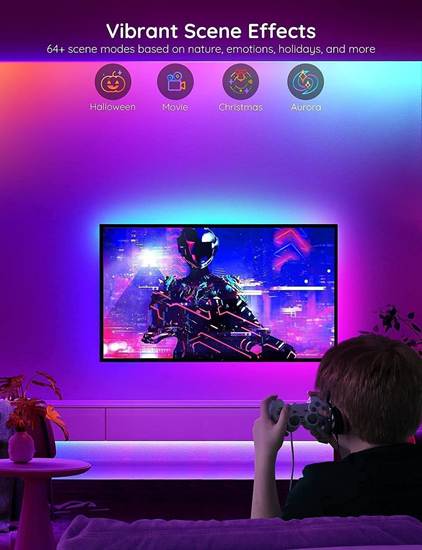
Before buying any TV backlight system, check:
- Mounting method
- Wall color compatibility
- Brightness adjustability
- Whether it’s static or dynamic
👉 Recommended TV backlight options worth considering:
👉 Best value option for basic bias lighting:
Final Verdict
TV backlights are worth it for the right person — and a waste of money for the wrong one.
They won’t:
- Fix poor picture quality
- Replace good room lighting
- Impress everyone
But when used correctly, they:
- Reduce eye strain
- Improve immersion
- Make long viewing sessions more comfortable
Knowing what they’re for — and what they’re not — makes all the difference.
Check out one of my other articles Why Govee TV Backlights Look Incredible for Some People — and Disappoint Others
Affiliate Disclosure
Some links on this site may be affiliate links. If you make a purchase through these links, PrimePeripheral.com may earn a commission at no additional cost to you. This helps support continued testing, research, and content creation.