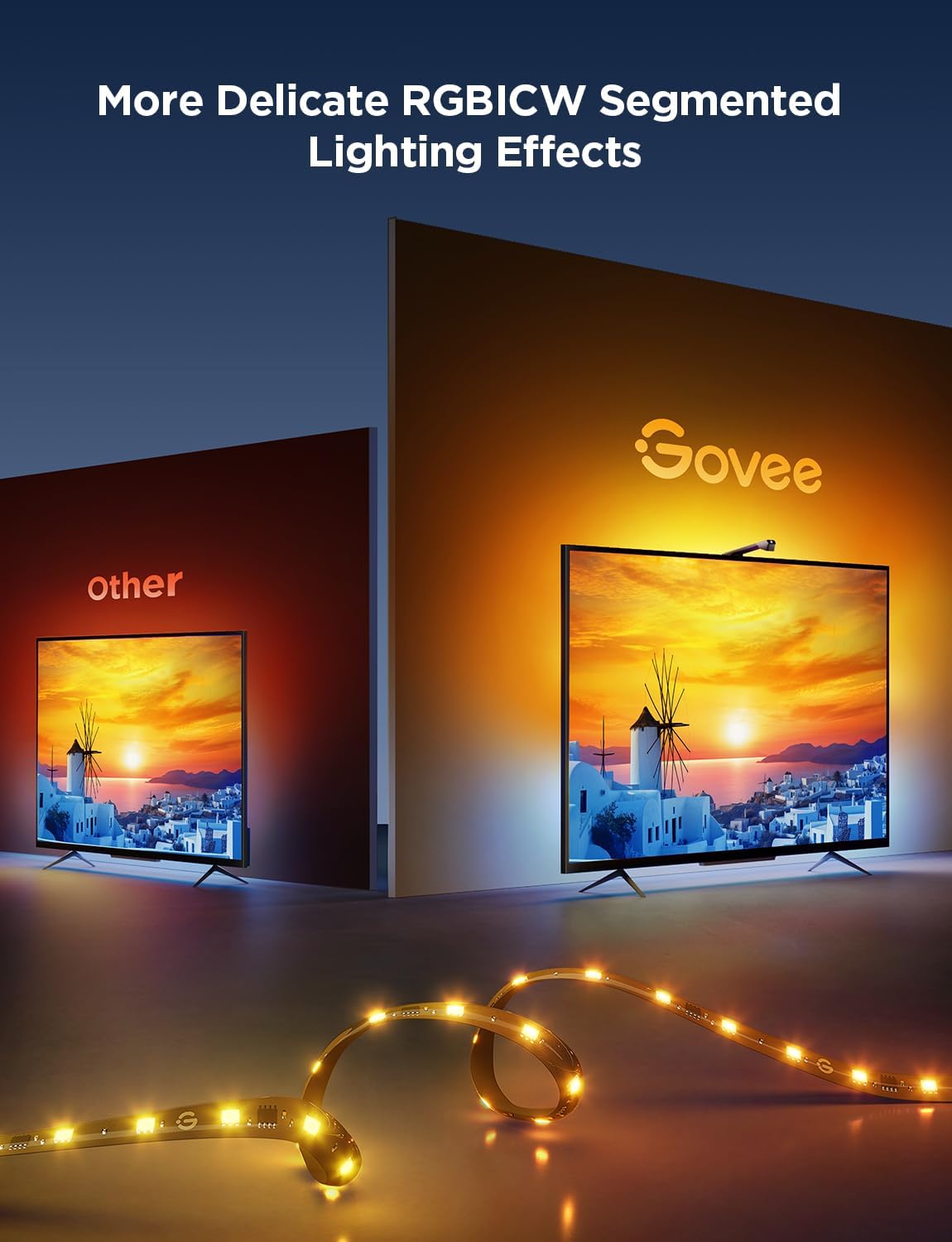
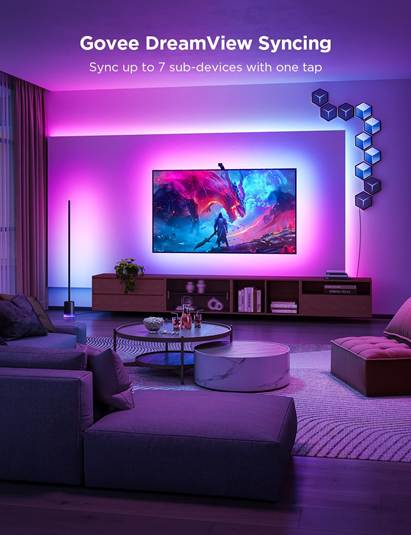
LED light strips look incredible online.
Smooth colors.
Clean glow.
That perfect “modern setup” vibe.
Then people install them at home and think:
“Why does this look cheap?”
This article explains why LED light strips often disappoint, what most people get wrong, and how to know before buying whether they’ll actually look good in your space.
The Biggest Misunderstanding About LED Light Strips
Most people think LED light strips are plug-and-play décor.
They’re not.
LED strips are environment-dependent lighting, meaning how they look depends heavily on:
- Wall color
- Placement
- Brightness settings
- Room lighting
The product usually isn’t the problem.
The setup is.
5 Reasons LED Light Strips Look Bad in Most Homes
1. Wall Color Changes Everything
LED strips reflect light off your walls.
If your walls are:
- Dark
- Textured
- Warm-colored
- Glossy
Colors will look:
- Dull
- Inaccurate
- Uneven
White or light neutral walls produce the best results.
2. Directly Visible LEDs Ruin the Effect
This is the fastest way to make strips look cheap.
When LEDs are:
- Visible from the couch
- Mounted facing outward
- Installed too close to eye level
You see individual dots, not glow.
Good LED lighting should be:
- Hidden
- Reflected
- Indirect
If you can see the LEDs themselves, the illusion breaks.
3. Bright Rooms Kill the Ambience
LED strips are ambient lighting, not primary lighting.
In bright rooms:
- Sunlight overpowers color
- Ceiling lights wash out effects
- Colors lose saturation
They look best:
- At night
- With main lights dimmed
- In controlled lighting environments
This is why setups look better in videos than in real homes.
4. Cheap Controllers Limit Color Quality
Not all LED strips handle color the same way.
Lower-end strips often:
- Blend colors poorly
- Struggle with smooth transitions
- Flicker at low brightness
This causes:
- Harsh lighting
- Unnatural color shifts
- “Christmas light” vibes
Controller quality matters more than people realize.
5. Expectations Are Set by Marketing
Videos exaggerate:
- Brightness
- Saturation
- Coverage
What you see online is often:
- Filmed in dark rooms
- Color-graded
- Shot at ideal angles
LED strips enhance a room — they don’t transform it into a movie set by default.
Who LED Light Strips Actually Work Well For
LED strips are a great fit if you:
- Want ambient mood lighting
- Use them behind TVs, desks, or shelves
- Enjoy customizing lighting scenes
- Use them mostly at night
They work especially well for:
- TV backlighting
- Gaming setups
- Accent lighting behind furniture
Who Should Probably Skip Them
You may be disappointed if:
- Your room is bright most of the day
- You expect them to replace normal lighting
- You mount them where LEDs are visible
- You want instant perfection without setup
LED strips reward intentional placement, not shortcuts.
What to Look for Before Buying LED Light Strips
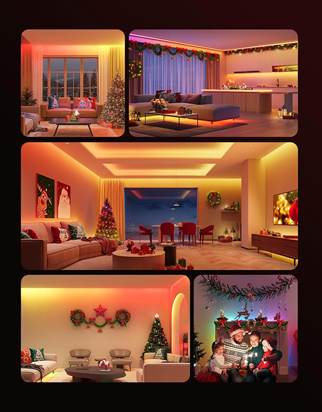
Before buying, check for:
- Diffused lighting (not exposed LEDs)
- Strong controller/app support
- Adjustable brightness and color zones
- Good reviews mentioning accuracy, not just brightness
👉 Recommended LED light strip options (verified for ambient use)
👉 Best value option for desk setups:
Final Takeaway
LED light strips aren’t bad products — they’re just misunderstood.
When installed correctly in the right space, they:
- Add depth
- Improve ambience
- Make setups feel intentional
When installed poorly, they:
- Look cheap
- Feel gimmicky
- Disappoint buyers
Knowing the difference before buying saves money and frustration.
Affiliate Disclosure
Some links on this site may be affiliate links. If you make a purchase through these links, PrimePeripheral.com may earn a commission at no additional cost to you. This helps support continued testing, research, and content creation.